Solving Onsite Waste Water Issues for the Construction and Civil Sectors
With a background in civil engineering and hands-on experience across earthworks, demolition, and civils projects in London, Dublin, and New York, the foundations of Lohan Environmental were built long before the company existed. Time spent on major construction sites in NYC from 2007 cultivated a growing conviction that the industry had both the responsibility and the capacity to do better — to manage its environmental impact more intelligently and use resources more efficiently. That conviction became a career pivot. Returning to Ireland in 2012, a new venture took shape under the name CES Grease Traps, supplying and servicing grease traps and interceptors primarily to the food production sector — where discharged water laden with grease and food waste poses a serious and well-regulated challenge to drainage infrastructure.
Years of Experience
0+
Projects Completed
0+
In Our Growing Fleet
0+
Our Company
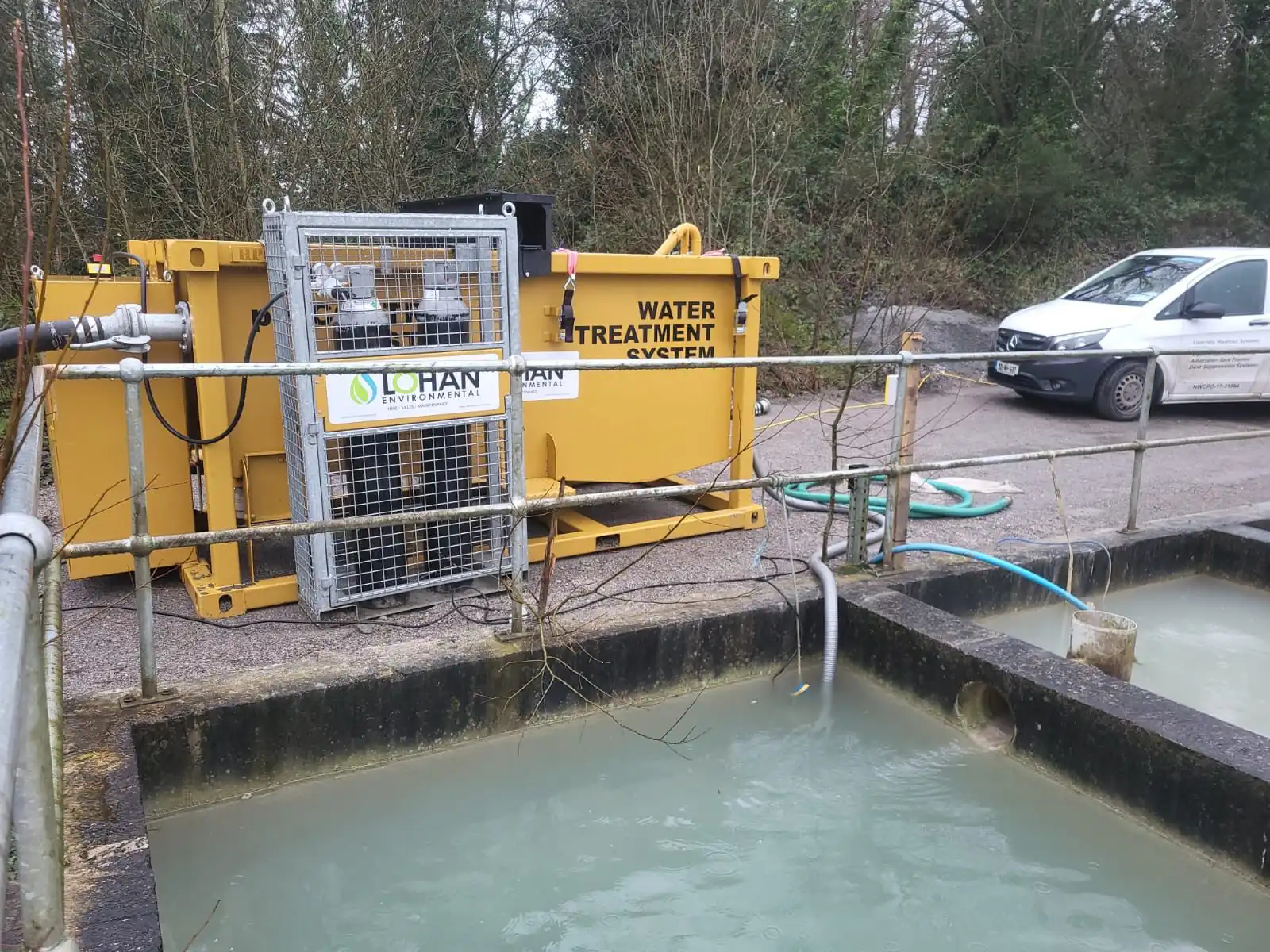
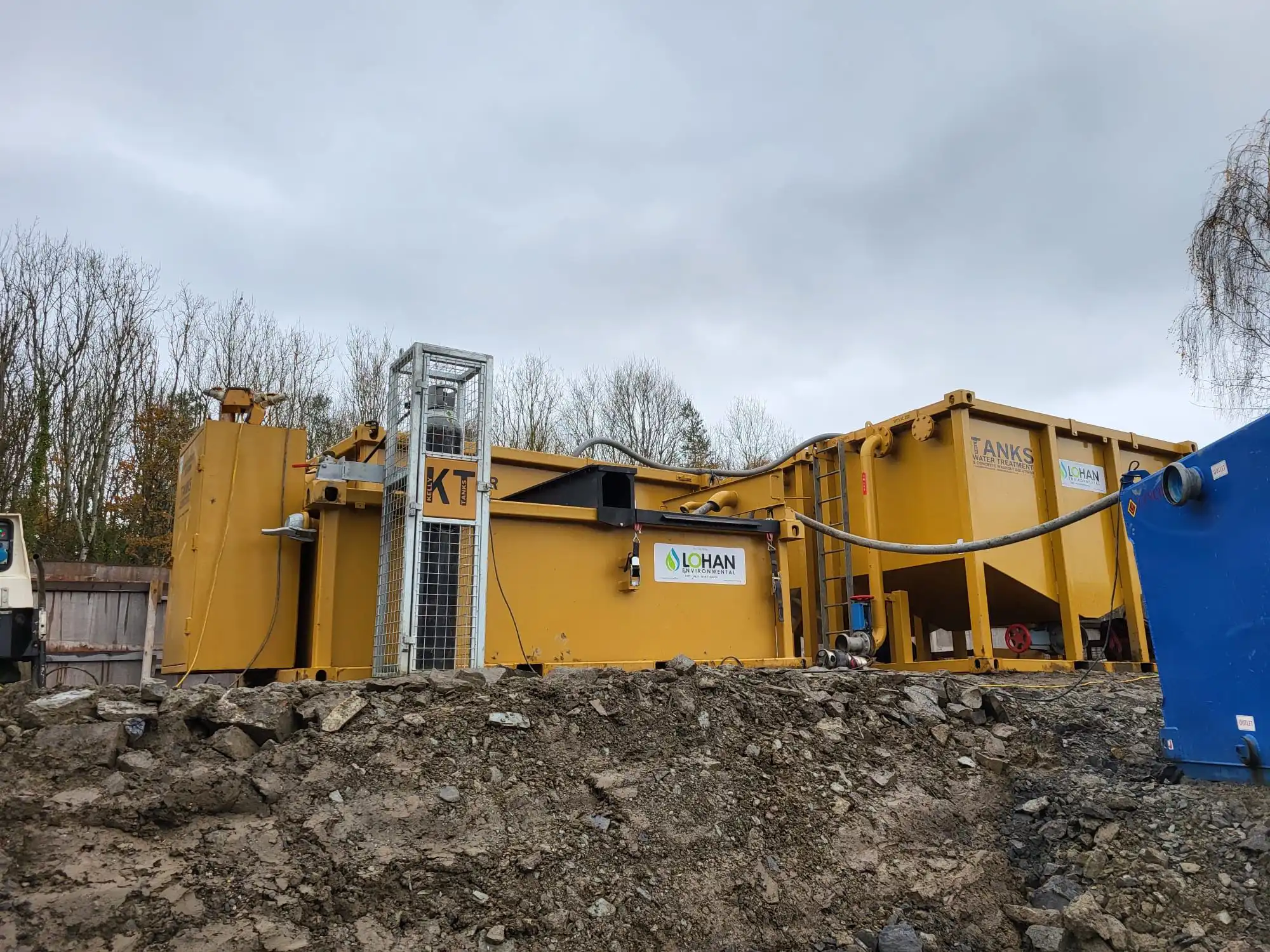
What became clear over the following decade was that the construction and civil sectors faced an equally significant challenge with onsite waste water — one that was increasingly scrutinised, tightly regulated, and in urgent need of purpose-fit solutions. The technology required to address it is, at its core, closely aligned with that used across the food production industry. Lohan Environmental was established to bring those two worlds together, applying years of accumulated expertise in water treatment and interceptor systems to solve the specific and pressing onsite waste water problems facing construction and civil engineering projects today.
Our Company
Having trained as a civil engineer and working a stint in both London and Dublin in the earthworks and civil sectors overlapping into demolition an opportunity presented to take up work in NYC in 2007 and I was quickly introduced to the world of fast concrete and very tall buildings. Whilst working on sites I was always fascinated by the potential improvements the construction industry could make towards improving environmental efficiencies and better resource management.